(Caption: Pittsburgh, PA City Skyline at dusk.)
Pittsburgh’s emergence as a leader in artificial intelligence, advanced manufacturing and the growing space economy is transforming the region’s workforce needs. As companies invest in next-generation industries, the region faces a critical challenge: developing the skilled talent needed to sustain and scale this growth.
The city’s innovation ecosystem combines world-class universities, advanced manufacturing companies and a rapidly growing technology sector, including a local concentration of robotics companies known as Robotics Row. Together, these assets are helping position Pittsburgh as a hub for industries shaping the future economy.
Maintaining that momentum will require a workforce equipped with the technical skills employers need. As Pittsburgh expands its presence in space, technology, robotics and advanced manufacturing, the demand for workers trained in these fields continues to grow.
 (Caption: Pittsburgh Mayor Corey O’Connor laughs with a constituent.)
“Pittsburgh’s future is being shaped by innovators across industries. As we see new job opportunities in robotics, AI, advanced manufacturing and even space technology, we need to make sure that Pittsburgh residents are prepared and have the resources, tools, skills and training for these opportunities,” said Pittsburgh Mayor Corey O’Connor. “Workforce development programs like those offered by NCUS TEC are crucial to ensuring that we invest in our workforce to share a future with companies investing and growing in Pittsburgh.”
NCUS TEC, an accredited technical institution focused on bridging the technology skills and opportunity gap through accelerated, hands-on training, is helping address this workforce challenge.
 (Caption: Pittsburgh Invest Leadership summit, 2009)
During the Invest: Pittsburgh 3rd Edition Leadership Summit, panelists highlighted the importance of modernizing education-to-employment pathways to attract talent, strengthen workforce alignment and sustain long-term economic growth across the region.
NCUS TEC instructors prepare students for careers in emerging and critical industries, including artificial intelligence, advanced manufacturing, data analytics and other technology-driven fields.
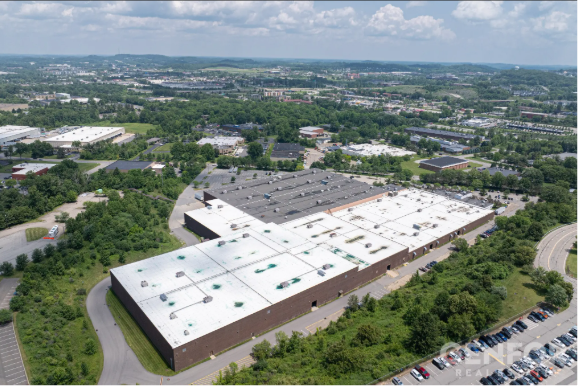 (Caption: Pittsburgh EOS Energy Plant)
As companies across the Pittsburgh region expand operations in clean energy the demand for skilled technical talent continues to grow. NCUS TEC has become a workforce pipeline for employers such as EOS Energy, helping prepare students to support the region’s evolving industries.
Catalyst Connection, a nonprofit economic development organization based in Pittsburgh, providing consulting and training services to manufacturers in southwestern Pennsylvania, partners with NCUS TEC to fill workforce development gaps in the region.
“Partnerships are critical to finding, training, and assisting people in getting into these long-term, dynamic, exciting careers in manufacturing,” said Scott Dietz, Director, Workforce Development at Catalyst Connection. “That is where Catalyst Connection partnering with NCUS TEC has been so valuable.”
Catalyst Connection is helping connect NCUS TEC graduates to sustainable careers in the advanced manufacturing and clean energy sectors.
“NCUS TEC has the capacity, expertise and staff to do the ‘boots on the ground’ community engagement needed in a tight labor market,” Dietz explained. “They [NCUS TEC] are providing a critical element in the workforce ecosystem by giving access to training and careers to people that might have otherwise never considered themselves in a career in manufacturing or had the confidence to pursue it.”
Pittsburgh’s opportunity to become the next technology hub will not be defined solely by the companies it attracts or the innovations it creates, but by the people who have the skills to move those innovations forward.
As the region continues investing in artificial intelligence, advanced manufacturing, robotics and emerging industries, workforce development will serve as the bridge connecting Pittsburgh residents to the careers driving the region’s future.