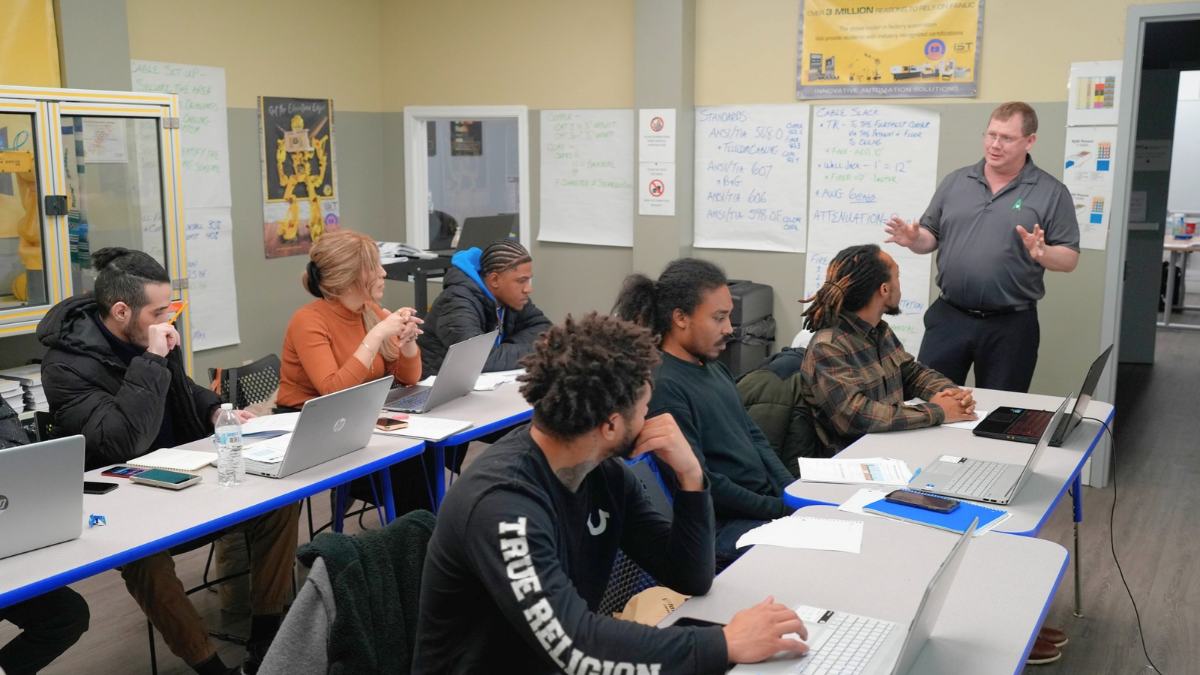
(Caption: NCUS TEC Advanced Manufacturing Department Chair Mark Waterstreet provides hands-on instruction to students, helping them build practical skills for a workforce placing greater value on experience and demonstrated ability.)
As employers place greater emphasis on skills and experience, students and workers are exploring more ways to prepare for the workforce.
The four-year degree has competition. Certificate programs, associate degrees, apprenticeships, and other skills-based pathways are receiving greater attention as employers respond to changing technologies and demand for workers with specialized skills.
That shift is reflected in recent enrollment data. According to the National Student Clearinghouse Research Center, undergraduate enrollment grew 2.4 percent in fall 2025, with community colleges seeing a 4 percent increase compared with 1.9 percent at public four-year institutions. Certificate enrollment also grew, suggesting continued interest in shorter-term credentials.
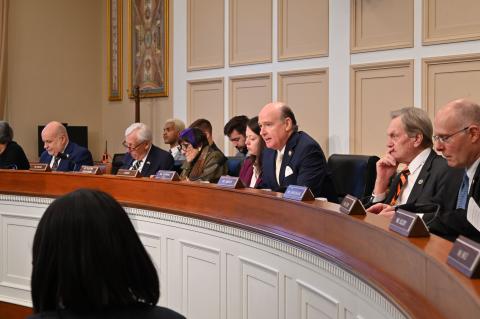
(Caption: Rep. Robert Aderholt, chairman of the U.S. House Appropriations Subcommittee on Labor, Health and Human Services, Education, and Related Agencies, pointed to the trend in a statement on community college enrollment.)
Employers are also placing greater emphasis on what candidates can demonstrate beyond a diploma. The World Economic Forum’s Future of Jobs Report 2025 found that 81 percent of employers expect to rely on work experience when assessing candidates through 2030, compared with 43 percent that expect to use a university degree as a hiring requirement.

(Caption: The World Economic Forum reports that 81% of employers expect to use work experience when assessing candidates through 2030, compared with 43% expecting to require a university degree.)
The shift does not mean degrees are becoming irrelevant. Instead, employers are increasingly looking at skills, experience, and other indicators of workplace readiness alongside traditional credentials.
The trend is especially visible in industries being reshaped by technology. In June 2026, the World Economic Forum’s 2026 report on AI and entry-level work found that changing skill requirements are increasing the need for applied experience and alternative pathways alongside traditional degrees.
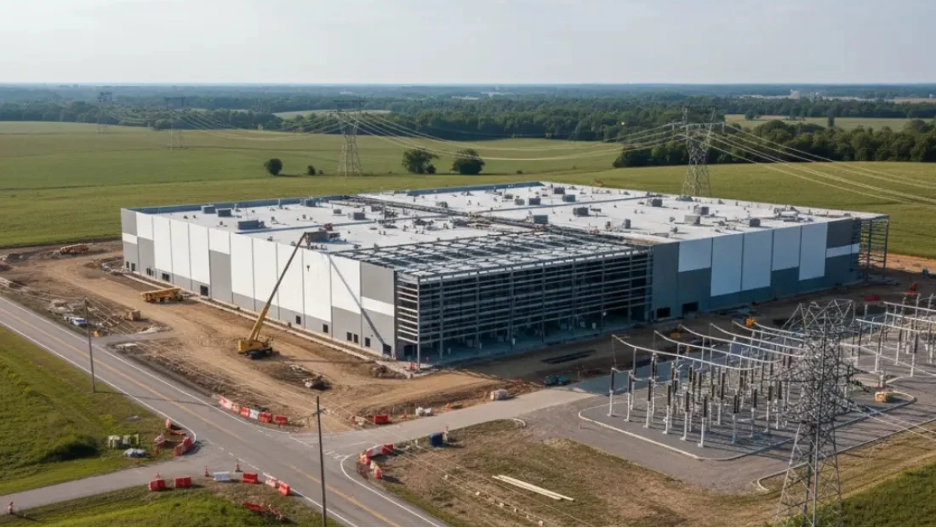
(Caption: Ohio’s growing data center sector is creating a clear connection between technical skills and workforce opportunity, with two-year applied science programs increasingly aligned with the needs of employers in the field.)
Ohio offers a regional example. The Office of the Ohio Consumers’ Counsel reports that the state has more than 200 data centers, with most located in Central Ohio. Many institutions offering two-year applied science degrees in the region are aligning programs with the technical skills data center employers need, giving students opportunities to enter the workforce sooner or continue their education.
Four-year degrees are not disappearing, however, as technology and employer needs evolve, the pathways connecting education, skills and employment are becoming more varied.